Plant Care for Poinsettia
Indoor House Plants
How to care for Poinsettia Plant. The Poinsettia is the official plant, or flower, of the winter holidays, and it is used extensively to decorate for the Christmas holiday season. In the interior landscape industry, we start placing Poinsettia plants just after Thanksgiving and they remain on accounts until after New Years Day, for the most part.

Poinsettia Plant Care
A Poinsettia plant can be placed in low to bright light locations. However, just like any other house plant, a Poinsettia will become thin and weak if kept in low light for extended periods. Place in bright light for best results. Avoid hot, direct sun through a window, but sunlight is not going to hurt them.
Just remember that good light is essential for good growth and plant health. Also remember that light directly affects the water needs of your Poinsettia plant as it does with all plants.
The botanical name of the Poinsettia is Euphorbia pulcherrima. Poinsettia is native to Mexico but you can find them everywhere at Christmas time! What we call Poinsettia flowers are not flowers at all but modified leaves, or bracts. The actual flowers can be found in the center of the bracts and are quite small. It is best to buy a Poinsettia when these real flowers are not open or are just opening and the bracts are well colored up.
Questions About Poinsettia Plant Care?
Do you have questions about caring for Poinsettia plants? I would be happy to answer any house plant care questions as I can. Free of charge, no sign-ups, or log in required!
Poinsettia plant care questions or problems? You can send a house plant question but before you do, please finish reading this page and other house plant care information on watering your indoor house plants, how to help keep your house plant's root system healthy, lighting for your house plants, and basic house plant care. These are most important for your house plant's health and this is some of the information I will refer you to if you send an email.
Working in the interior landscape industry for many years, I have answered a lot of questions from people about their personal house plants. Everyone wants to keep their house plants growing and healthy. That is why I started this house plant care website, to help others learn how to care for their own indoor plants and flowers. So please read on for more about Poinsettia plant care!
⚘ How This Website Started ⚘
Hi Plant and Flower People!
I started this website in 2012 while helping my younger brother through a fight with terminal cancer. Between shopping, cleaning, cooking, laundry, doctor/hospital visits, and other tasks to help him, I taught myself HTML/CSS and other skills used in creating a website. My brother had a very successful stock photography website himself and his advice to me was to make a website about something you know.
I had left a job in the interior landscape industry in 2012 (I have worked in the interior landscape industry since 1986) to go across the country to help him out. So that became the subject of this website, indoor house plant and flower care.
It costs money for hosting service, domain fees, etc. to keep websites running. That is why I have third party ads/Amazon products and other affiliate links on webpages. Please use them if they are helpful to you as I earn commissions/ad revenue through them and they help pay costs for hosting, domain name, etc.
If you need some help with the general care of your indoor plants and flowers, read about basic houseplant care. You can also email houseplant care questions or requests for help identifying your mysterious indoor plant!
Please also consider supporting this website with a donation, if you can. Any help is appreciated. Hope you find some helpful information here. Thank you and read on Plant People!
Poinsettia Plant Care
How to Water
Having cared for thousands of Poinsettia plants over the years, I found the plants that did the best were those where the soil had dried most of the way between waterings. Because there are so many things that can affect a plant's water use, I would say a good rule would be to water when the soil has dried about half of its depth. Check once a week by inserting a finger into the soil to check for moisture. Water thoroughly if the growing media has dried halfway down. Do not allow to dry to the point of wilting.
It may be helpful to use a moisture meter for house plants. This aids you in checking the soil at the bottom areas of the plant's root mass to check for moisture. A moisture meter can be very useful in helping you avoid over or under watering of your indoor house plants. I used one often in my indoor plant care accounts.
Ad - May Earn Commission
I have also found that Poinsettia plants use more water during the first few weeks after being moved to a new home, especially if they have recently come from a grower's greenhouse. So you might want to keep a closer eye on them when you first bring them home. These pages on watering indoor plants and lighting for your plant's best health should be helpful for all of your house plants and their care.
Poinsettia Plant Care Tips
Poinsettia plants are easily damaged. They can be broken when moving them and sometimes you won't even realize it has happened. Stems that have been damaged may start to die. If you have problems with just one stem, check it for breaks or bends. Remove below the damage if it has been injured. Be sure to place in an area where it won't get damaged by people or pets. BTW do not let any pets eat or chew your house plants.
Temperatures should to be kept above 50°F. Poinsettia plants can be damaged by cold air or temperatures. If it is very cold outside when you are moving your plant, it should be protected by a sleeve. Do not leave plants in your car unless temperatures are very mild. Even excessive heat in your car can damage a plant.
The Poinsettia plant prefers some humidity in the air. This may be something you cannot control but if you have the option, place in a well lit, humid location. Dry air can cause the edges of the leaves to brown or yellow. Placing in a naturally humid room or with other plants can help increase humidity. Although misting is often recommended to help increase humidity, in reality it does not make much difference in raising humidity levels.

Red Poinsettia Plant
Poinsettia plants come with many different colored flowers or bracts. There is the old standard red but you can also find them in white, cream, various shades of pink, marbled, and even in black. Pot size may be anywhere from 4" to 14" in diameter. The size of the plant will increase with the pot size. Just a note, very small pots have a lot less soil and the soil will dry much faster than a large sized pot.
Poinsettia Care After the Holidays
When the holiday season is over and your Poinsettia plant starts to look a little like Charlie Brown's Christmas tree, you may want to add it to the compost pile. If you can't bring yourself to toss it or you just enjoy the challenge of growing things, you might want to try keeping it and re-blooming your Poinsettia for the next season.
First, cut the stems back to just above a leaf node, about 3 to 4 inches high. Place the plant out of hot sun but in a well lit location, and allow potting soil to dry almost completely between waterings. When new growth starts to appear, you can begin monthly feeding. As a note, never feed or fertilize a potted plant when the soil is dry, always water first, then feed. Continue care as you normally would.
Beginning around the end of September you will need to carefully control the light that your Poinsettia plant receives. The plant will need to be kept in total darkness for about 14 hours every night, continuing daily for 8 weeks. Cover with black plastic and place in a dark area, returning it to its normal location during the day. After the 8 weeks of controlled lighting, return your Poinsettia plant to its place in bright light and continue normal care. Soon it will be another New Year and you can start all over again!
I hope this has been helpful to you in the care of your Poinsettia plant. You can send an email if you have any questions and I hope that all of your flowers and plants are healthy and growing well! You can find more flower and plant pictures, care, and contact information below...
Ads By Google
Plants & Flowers
Buy Browse Bonsai Trees Plants

A bonsai tree or plant for indoors or outdoors makes a great gift for any gardener. Treat that special person, or yourself, to a beautiful bonsai. May earn commission.
Best Spring Flowers Home Garden
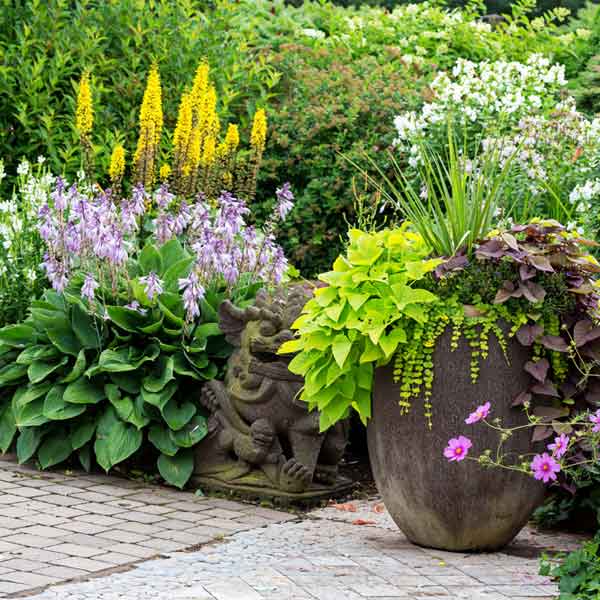
Wonder what types of flowers to plant in Spring? Here are some ideas for flowering plants for your garden, yard, patio, or deck.
151 Flowers Pictures & Care
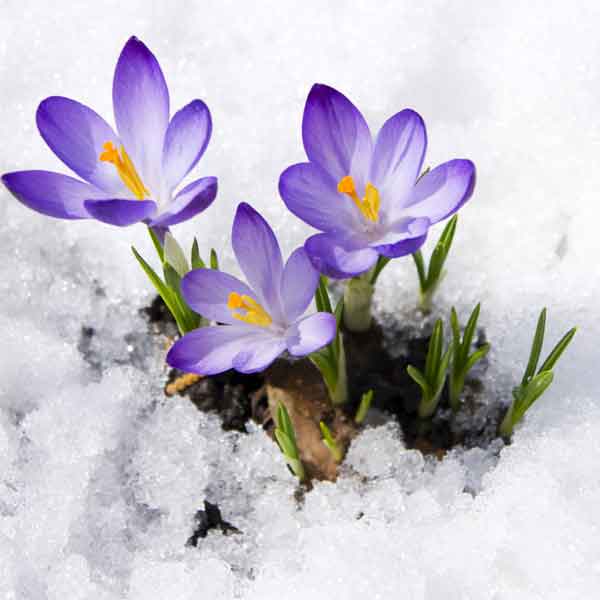
List of 151 most common flower types in the U.S. with pictures and information on how much sun your flower will need.
Easy House Plants
Sansevieria Plant
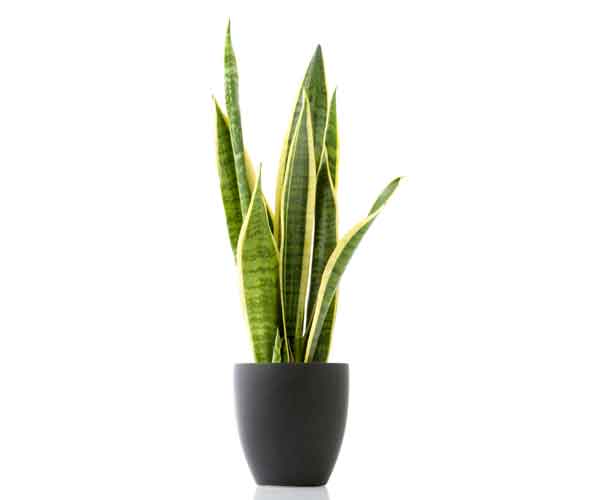
Sansevieria plant does not need much care. A great indoor plant for anyone. Will do best in very bright light, even some morning sun. More on Sansevieria care.
Peace Lily Plant
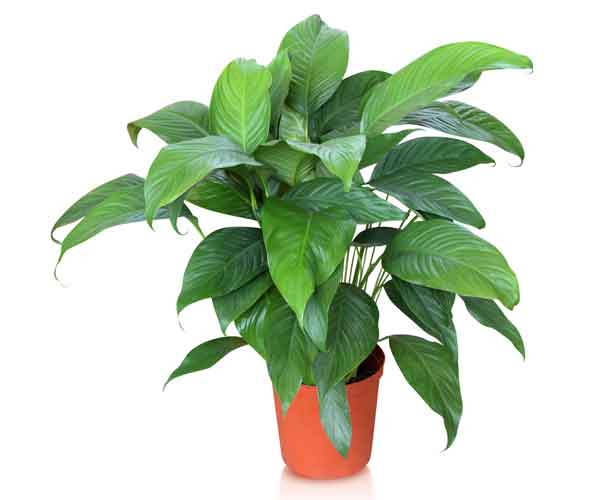
Peace Lily is an easy houseplant to grow but will wilt quickly if let to dry too much. Will produce white spathes if light is adequate. Peace Lily plant has white flowers.
Pothos Plant
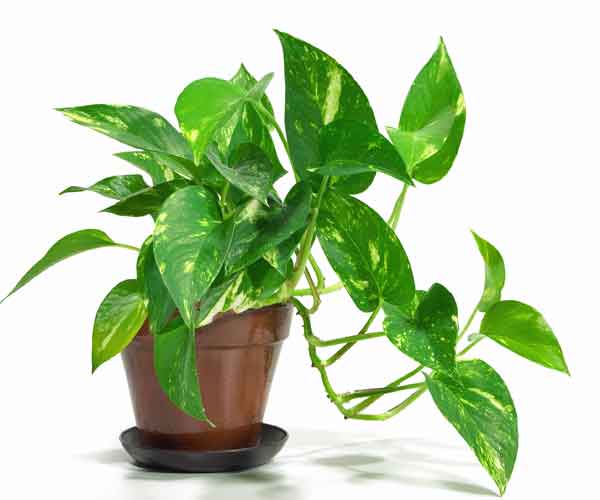
Pothos is a popular house plant and will trail over the edge of the pot or climb a trellis or pole. Medium to bright light is best. Easy care house plant.
Aglaonema Plants
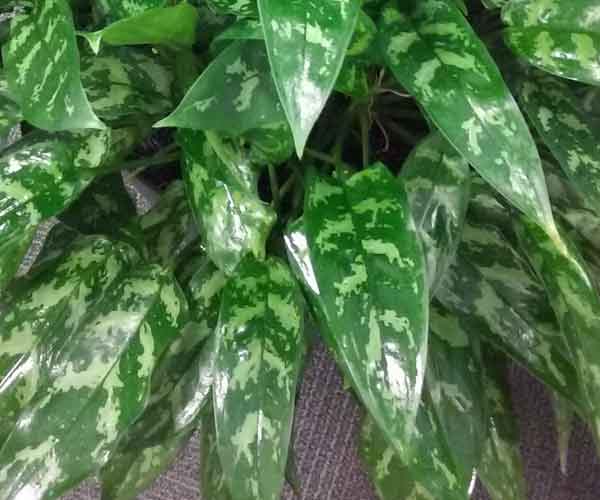
Aglaonema house plants are great for the home or office. Can be used as a table plant or floor plant, depending on the size. Easy to grow indoors.
Bromeliad Plant
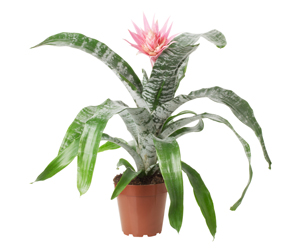
Bromeliad plants make the list, Guzmania and Aechmea bromeliads in particular. Use bromeliad for a spot where you want to add some lasting color.
Hoya Houseplant
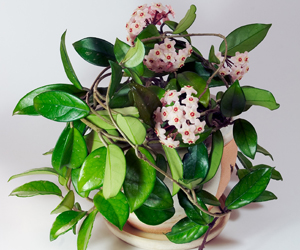
Hoya is a vining type of plant. Great for use as a table or shelf plant or display as a hanging plant. All green or variegated, fragrant flowers.
Home Gardening
How To Grow Cantaloupe & Honeydew Melons
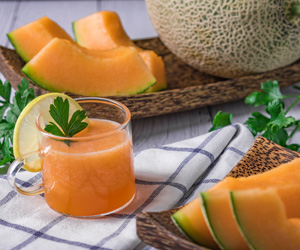
How to grow cantaloupe and honeydew melons. Planting, care, watering, light and more for great tasting melons right from your garden.
How To Grow Blueberries in Your Home Garden
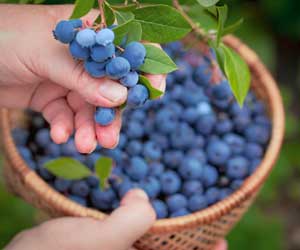
How to grow blueberries. Grow your own blueberries for a delicious harvest from your own backyard garden, year after year.
How To Grow Blackberries in Pots or Beds
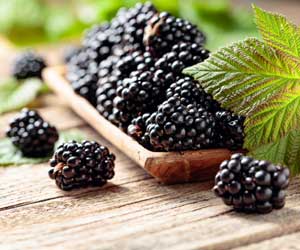
How to have a bountiful harvest of delicious blackberries. Planting, care, watering, light, and more for growing blackberries in beds or containers.
How To Grow Strawberries
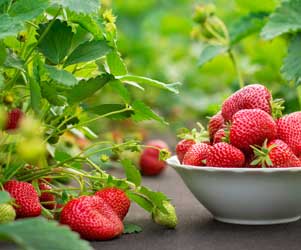
How to grow strawberries. Choosing, planting, care, watering, light and more for the strawberry plants in your home garden.
Cold Weather Plants
Home & Garden
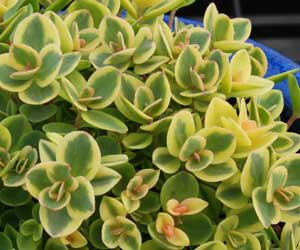
Cold weather plants. Evergreen, semi-tropical plants, and colorful succulents, take a look at these suggestions to find the right exterior plant for cold weather for your home garden.
Home Gardening
Tomatoes
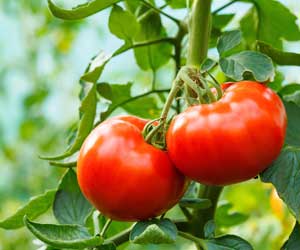
One of the plants home gardeners often grow is tomatoes. Learn about choosing, planting, care, watering, light and more for the tomatoes in your home garden.
Bromeliad House Plants
Aechmea
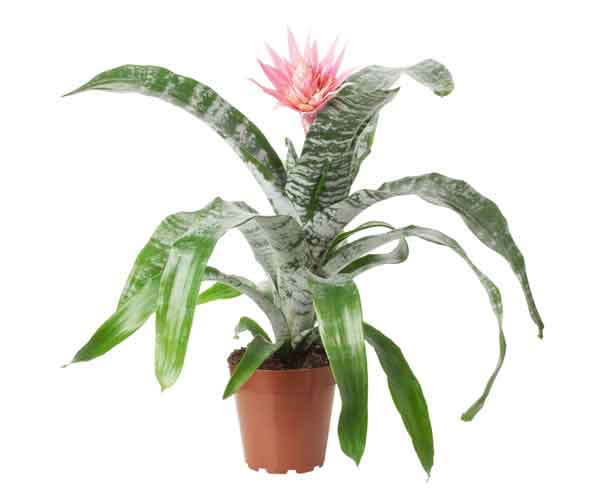
Aechmea fasciata bromeliad plant. The Aechmea fasciata and primera are the Aechmea bromeliads most often used as house plant. Pink flower.
Neoregelia
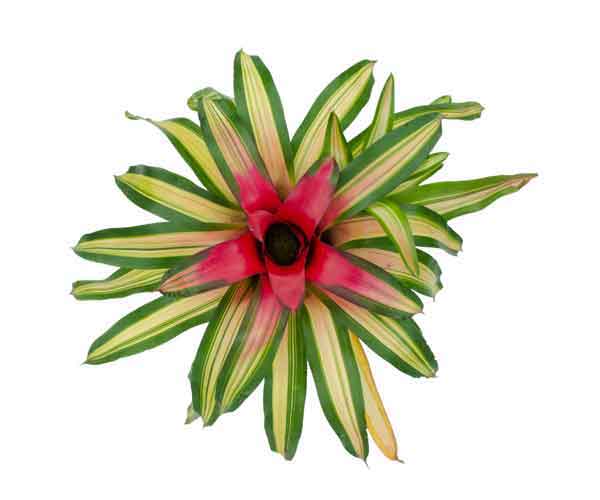
Neoregelia bromeliads are often used for the different colored foliage. Usually shorter than other bromeliads with much less obvious flowers.
Guzmania
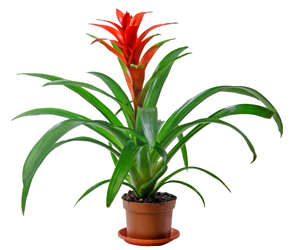
Guzmania bromeliad plants. The foliage is much the same but flower color can be nearly white, yellow, orange, red, purple and more.
Social Media Pages
Houseplant Care Question?
Questions about your indoor house plants or plant care problems? You can send a house plant question, free of charge, no sign ups, registration or log in required!
Before you send a houseplant care question, please be sure to read this information on watering your indoor house plants, how to help keep your your indoor house plants root system healthy and lighting for your indoor house plants and flowers. These are most important for the health of your house plants and this is some of the information I will refer you to if you send an indoor house plant or flower care question.
You can post comments, find answers to plant care questions, or share some of your own plant wisdom on our plant care Facebook Page, Twitter page or visit my plant care blog. You can also find plant pictures, gardening ideas, and more at our plant and flower Pinterest page.
Thanks for visiting and come back soon as houseplant care information, pictures and more are being added all of the time. I hope that your indoor tropical house plants and all of your plants and flowers are happy, green and growing because that is why I started this indoor house plant and flower care website, PlantAndFlowerInfo.com.
Common House Plants Flowers Care Guide
Indoor Plants Pictures Names ⚘ Best Indoor Plants ⚘ Adiantum Fern Care ⚘ Aechmea Bromeliad Plant ⚘ Aglaonema Plant Care ⚘ Aglaonema Maria Plant Care ⚘ Aglaonema Silver Queen Plant Care ⚘ Aglaonema Silver Bay Plant Care ⚘ Anthurium Plants ⚘ Aphelandra Plant ⚘ Arboricola Plant Care ⚘ Aspidistra Plant Care ⚘ Asplenium Nidus Plant Care ⚘ Basic Houseplant Care ⚘ Birds Nest Ferns Plant Care ⚘ Boston Ferns Plant Care ⚘ Botanical Calendars ⚘ Bromeliad Plants ⚘ Build A Greenhouse ⚘ Buy Greenhouse ⚘ Buy House Plants ⚘ Cast Iron Plant ⚘ Chinese Evergreen Plant Care ⚘ Chlorophytum Plant Care ⚘ Codiaeum Houseplant Care ⚘ Corn Plant Care ⚘ Croton Plant Care ⚘ Devil's Ivy Plants & Care ⚘ Dieffenbachia Plant Care ⚘ Dracaena House Plant Care ⚘ Dracaena Janet Craig Plant Care ⚘ Dracaena Marginata Plant Care ⚘ Dracaena Warneckii Plant Care ⚘ Dumb Cane Plant ⚘ English Ivy Hedera ⚘ Ferns Plant Care ⚘ Ficus Trees Plants ⚘ Fittonia Plant Care ⚘ Flower Calendars ⚘ Heart Leaf Philodendron ⚘ Hedera English Ivy ⚘ How to Care for Marble Queen Pothos ⚘ Hoya House Plants ⚘ Lady Palm Plant ⚘ Lucky Bamboo House Plant Care ⚘ Maidenhair Ferns ⚘ Marble Queen Pothos ⚘ Marginata ⚘ Money Tree Plant Care ⚘ Mother In Law Tongue Plant Care ⚘ Names Pictures of Plants ⚘ Nephthytis ⚘ Norfolk Island Pine ⚘ Orchid Flowers ⚘ Palm Plants ⚘ Peace Lily Care ⚘ Philodendron "Brasil" Plant Care ⚘ Philodendron Cordatum ⚘ Philodendron Silver Care ⚘ Plant Calendars ⚘ Poinsettia Plant Flower Care ⚘ Pothos Plant Care ⚘ Rhapis Palm Plant Care ⚘ Sansevieria Plant Care ⚘ Schefflera Plant Care ⚘ Self-Watering Planters ⚘ Care of Silver Bay Plant ⚘ Snake Plant Care ⚘ Spathiphyllum Care ⚘ Spider Plant Care ⚘ Care of Syngonium Plant ⚘ Succulent Plant Care ⚘ Warneckii Plant Care ⚘ Weeping Fig Tree ⚘ Zebra Plant ⚘ ZZ Plant House Plant Care ⚘ Plant Links
Other Plant Flower Links
Best Indoor Plants ⚘ Indoor House Plants Pictures Names ⚘ Water Indoor Plants ⚘ Lighting Indoor Plants ⚘ Bonsai Plants ⚘ Common House Plants ⚘ Indoor Palm Plant Care ⚘ Orchids ⚘ Pets & Plants ⚘ Buy Tropical Orchids Orchid Care ⚘ Plant Flower Gifts ⚘ Buy Plants Flowers ⚘ House Plant Guide ⚘ How To Books ⚘ Flowers Plants Poster Prints ⚘ Orchid Art & Posters ⚘ Gardening Calendars ⚘ Greenhouse Books-Gardening